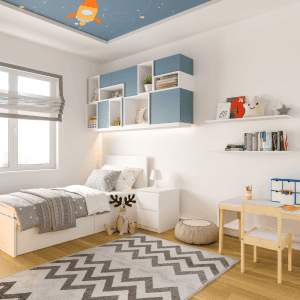
Do you find it hard to get your children to organize their rooms? I bet every parent, me included, struggles with this. Here are 12 practical tips and ideas to help organize kids’ rooms effectively.
12 Tips and Ideas to help organize kids’ rooms
1. Declutter Regularly
Please encourage your child to regularly sort out their belongings and remove any items they no longer use or need. It is a powerful way to keep their room organized and manageable. This practice will help your children be responsible and give them a sense of control over the clutter.
2. Designate Storage Spaces
To maintain order and tidiness, create designated storage areas for different items, such as a bookshelf, toy drawer, and shoe bin.
3. Use Labels
Labeling bins, drawers, and shelves will help you and your child save time and reduce stress. It will also make it easy to locate and put away their belongings in appropriate locations, saving you from the frustration of searching for and finding lost items.
4. Utilize Underbed Storage
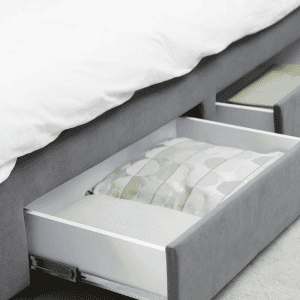
Under-bed storage is a great way to maximize space for storing seasonal attire, extra linens, blankets, or toys. It is excellent for those with limited space. Put items in under-bed storage bins and keep them there.
5. Invest in Kid-Friendly Organization Tools
Use colorful and decorative bins, baskets, and cubbies to make organizing fun for kids. Using brightly colored organizational tools with kid-friendly decorations can make the activity more engaging.
6. Create a Daily Routine
Establish a daily routine for tidying up their room. Prepare and schedule time to clear clutter and put toys away before bedtime. Involve the kids in different organizational activities to prevent boredom.
7. Rotate Toys and Books
Avoid overwhelming your child with too many toys or books by rotating them in and out of storage periodically.
8. Display Artwork Creatively
Use a gallery wall or bulletin board to display your child’s artwork — pictures and paintings — in an orderly manner, keeping the space clutter-free. This will encourage them to be more creative and organized.
9. Involve Your Child in the organization process
Please encourage your children to help organize their rooms. This will lighten your load and foster a sense of responsibility and ownership in them.
10. Consider a Functional Desk Space
Please set up a desk area with organizers for school supplies, crafts, and artwork where your child can showcase their creativity.
11. Create a Cozy Reading Nook
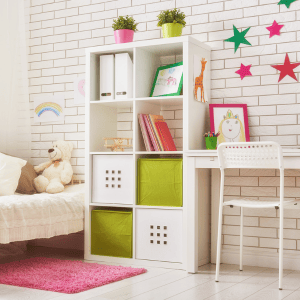
Designate a place in your child’s room for relaxation and study. Provide a comfortable chair, a bookshelf, and a reading light.
12. Set Clear Expectation
Communicate your expectations. Let your child know what you expect of them. Offer praise and encouragement when your child maintains a tidy space. Reward them for their efforts in keeping their room orderly.
Age-appropriate cleaning and organization tasks for kids
Teach and encourage your child to clean up and organize their rooms. Here is a list of age-appropriate cleaning and organization tasks for kids at various stages
Toddlers (Ages 2-4)
1. Sort Toys: Help them sort toys into baskets. For instance, teach them how to categorize different toys, such as blocks in one and stuffed animals in another.
2. Put Away Books: Encourage them to return books to their designated shelf or bin after reading.
3. Organize Clothes: Place clothes in a laundry basket or help them pull out outfits for the day.
4. Clean Up After Playtime: Teach them to pick up and organize their toys when done playing.
Preschoolers (Ages 4-5)
1. Toy Cleanup Challenge: Set a timer and see how many toys they can put away within that time.
2. Color Sorting: Help them organize items or toys by color.
3. Match toys with labels: Create picture labels for bins or shelves and have them match items to their labels.
4. Set Up a “Keep/Donate” Box: Encourage them to choose items they no longer want or play with and put them up for donation
Early Elementary (Ages 6-8)
1. Organize Homework Supplies: Help them keep their desk tidy by organizing pencils, papers, and other supplies.
2. Create a Routine for tidying up Daily: Set guidelines for them to straighten up their room and make their beds each day.
3. Sort Clothes: Assist them in organizing clothing by type, such as folding shirts in one drawer, pants in another.
4. Creating a Toy Inventory: List the toys they have and decide which ones to keep or donate.
Middle Elementary (Ages 9-11)
1. Redesign Room: Let them rearrange furniture or create their own room arrangement for a fresh feel.
2. Swap seasonal clothes: Help them sort through clothes to transition seasons. Please encourage them to keep only what fits, is suitable for the season, and is in style.
3. Do Digital Organization: Teach them how to organize files on a tablet or computer, like photos or schoolwork.
4. School Bag Check: Encourage them to check their backpack weekly to remove old papers and unnecessary or duplicate items.
Tweens (Ages 12-14)
1. Declutter items for Donations: Involve them in deciding what to donate from their possessions.
2. Create Personalized Organization Systems: Let them create their own system of organizing school supplies, clothes, or hobbies.
3. Establishing a Cleaning Schedule: Help them create a regular cleaning schedule for their room.
4. Incorporate Technology: Use apps or tools to track their responsibilities and keep their space organized.
Teens (Ages 15+)
1. Do Room Makeovers: They can design and redecorate their space to reflect their personality.
2. Managing Personal Belongings: Encourage them to take full responsibility for personal belongings such as electronics, clothes, and sports gear.
3. Sorting and Clean Out Paperwork: Help them establish a system for organizing important documents, such as school forms and notes.
4. Establishing Digital Spaces: Assist them in organizing their digital life, like cleaning up emails or organizing online files.
By assigning age-appropriate tasks, kids can gradually build their organizational skills and learn to be more responsible.
What are the Best Tools to Use to Organize Kids’ Room?
Organizing your kids’ room can be a fun and satisfying project! Here are some effective storage solutions to consider:
1. Bins and Baskets
These come in various shapes and colors. They can be made of plastic or woven material.
Plastic Bins: These come in a variety of shapes, sizes, and colors. They can be stacked and easily labeled.
Woven Baskets: Great for a stylish touch when storing toys, books, or clothes.
2. Shelving Units
These can provide adequate vertical storage while saving space.
Open Shelves: Helps display favorite toys or books while keeping items visible and accessible.
Cube Shelves: These can be customized with bins or decorative boxes for a neat look.
3. Under-Bed Storage
These can be built-in pull-out drawers or containers for storing seasonal clothing, shoes, and bedding.
Rolling Storage Bins: Utilize the space under the bed with bins that roll out easily for storage of shoes, toys, or seasonal items.
Under-Bed Drawers: These keep things tucked away yet accessible.
4. Vertical Wall Storage
These use walls or other vertical heights to maximize and save space.
Pegboards: Ideal for hanging up art supplies, hats, or backpacks. Use hooks to customize them.
Wall-Mounted Shelves: Perfect for displaying books or smaller items without taking up floor space.
5. Multi-Use Furniture
These are furniture pieces that can serve multiple functions, making them ideal for saving space in smaller areas.
Ottomans with Storage: These can serve as seats or footrests while holding toys.
Bookshelves with Built-In Seating: Combines storage with a comfy reading area.
Desks that fold down: These can be used as desks or folded into bookshelves.
6. Toy Chests
A classic solution for toy storage, chests can be both decorative and functional. Opt for one with a safety hinge to prevent slamming.
7. Clothes Organizers
Great for organizing clothes
Drawer Dividers: Help keep socks and undergarments neat and well-sorted.
Hanging Organizers: For shoes or accessories, these can go in closets or on doors, such as a door shoe organizer.
8. Labels
Use labels or pictures on bins and drawers to help kids know where things go and encourage them to put items away.
9. Closet Organizers
These are great for organizing a closet.
Double Rods: These are excellent for maximizing hanging space for clothes.
Shelf Dividers: These can help keep stacks of clothes or shoes from falling over.
10. Art Supply Organizers
– Use caddies or tackle boxes for art supplies to keep everything organized and easy to find.
11. Over-the-Door Organizers
Perfect for maximizing small spaces. These can hold shoes, toys, or even school supplies.
12. Slide-Out Drawers
If space allows, build slide-out drawers into cupboards or shelves for easy access to stored items.
13. Magnetic Strips
Use magnetic strips to hold metal items like scissors or magnetic containers for small art supplies.
14. File Boxes
Use decorative file boxes to organize papers and art projects. Label them by subject or date.
15. DIY Solutions
Get creative! Repurpose old furniture, create your own shelving, or use PVC pipes to organize toys.
Have you tried any of these strategies to organize kid’s room? I would love to hear your views in the comments section below.