
Cleaning a freezer is essential to keep your food fresh and your appliance running efficiently. In this post, you will learn how to clean and organize your freezer step by step. Additionally, it covers the steps to ensure your freezer is well-organized and working efficiently to preserve your food and extend its shelf life.
How to clean your freezer correctly in 10 simple steps
What You Will Need
- Mild detergent /dish soap or baking soda
- Warm water
- sponges
- A cooler or insulated bag for storing food
- A bucket or basin (optional)
- Microfiber cloths or old Towels for cleaning and drying
- Heat gun /handheld steamer or blow dryer (optional)
How to Clean Your Freezer Step by Step
1. Unplug the Freezer: Start by unplugging the freezer for safety and to save energy while cleaning.
2. Remove food: Take out all the food items. If your freezer has a lot of perishable items, place them in a cooler or insulated bags to keep them cold during the cleaning.
3. Empty the Freezer: Remove any shelves, drawers, and any other removable parts, if any, to make it easier to clean all the areas in your freezer.
4. Defrost
If your freezer has ice buildup, you may need to defrost it .You can let the ice melt naturally, or you can speed up the process by placing a bowl of warm water inside, closing the door, or using a handheld steamer, heat gun, or blow dryer to melt the ice, and setting a towel at the bottom to catch the melting water. Be sure to check it frequently until all the ice melts.
5. Clean the Interior
- Use a warm, soapy water mixture or a baking soda and water mixture. Make a slightly runny paste by mixing baking soda and water, and apply it to the surfaces.
- Clean and wipe down all the interior surfaces, including the walls, shelves, and doors. A cloth or sponge works well for this.
- For stubborn stains or odors, let the baking soda-and-water paste sit for a few minutes before washing it off.
6. Rinse and Dry
- After cleaning with detergent or a baking soda paste, wipe down the surfaces with a clean, damp cloth, then rinse off any residue.
- Dry the interior thoroughly with a microfiber towel.
7. Clean the Exterior surfaces
Wipe down the exterior of the freezer with a damp cloth and mild detergent, focusing on handles and surfaces that come into contact with your hands.
8. Replace Shelves and Freezer Items
Once everything is clean and dry, put the shelves and drawers back in place. Return the food items, neatly organized.
9. Plug it Back In
Plug the freezer back into the outlet. Allow it to reach the desired temperature before adding perishable items if you have defrosted it.
10. Do Regular Maintenance
Keep an eye on ice buildup and clean the freezer every few months to maintain its efficiency.
Pro Tips
Avoid Using Strong Chemicals: Stick to mild detergents or dish soap, as strong chemicals can leave harmful residues in your freezer.
Use a Heat Gun or a handheld steamer to defrost (optional): For heavy ice buildup, gently use a heat gun or a handheld steamer to melt the ice faster, but be cautious to avoid damaging the freezer.
Check Seals: While cleaning, inspect the door seals for any wear, tear, or damage. Good seals are essential for energy efficiency.
What should you do if your freezer is leaking air?
If your freezer is leaking air, it can cause temperature fluctuations, which may increase your energy bills. Here is what you can do to address the problem:
1. Check the Door Seal
- Inspect the Gasket: Look for any cracks, tears, or wear in the rubber gasket around the freezer door. A damaged seal is often the leading cause of air leaks.
- Clean the Seal: Sometimes dirt or debris can prevent the door from sealing properly. Wipe the gasket clean with warm, soapy water and dry thoroughly.
2. Perform the Dollar Bill Test
Close the freezer door on a dollar bill or a piece of paper. If you can easily pull it out without resistance, the seal may not be secure and may need checking.
3. Adjust the Door Alignment
Check if the freezer door is aligned correctly. If it is misaligned, adjust the hinges or latches to ensure a snug fit when closed.
4. Reinforce the Seal
If the gasket appears slightly warped but not damaged, you can try softening it with a heat source (like a hairdryer on low) to reshape it. Be careful not to overheat it, though.
5. Replace the Seal
If the gasket is damaged, it’s best to replace it. You can often find a replacement seal at appliance stores or online that matches your freezer brand and model.
6. Check for Obstructions
Ensure that items in the freezer do not block the door from closing correctly. Sometimes, containers or frozen goods can impede the seal.
7. Test the Thermostat
Make sure the thermostat is set to the right temperature (around 0°F or -18°C). A malfunctioning thermostat can cause the freezer to work harder, leading to potential issues with seals.
8. Overloading Your freezer
Do not overcrowd the freezer, as this can prevent the door from sealing properly and result in air leaks.
9. Monitor any Changes
Keep an eye on the freezer after making adjustments. If it continues to leak air, it may be necessary to consult a professional for further evaluation.
How often should you clean your freezer?
It’s a good idea to clean your freezer every 3 to 6 months, but certain factors may prompt you to do so sooner. Here are a few factors to consider when deciding how often to clean it.
1. Ice Buildup: If you notice frost or ice buildup, it’s time to clean your freezer, regardless of the schedule.
2. Odors: If you start to smell strange odors when you open the freezer, it may be time for a cleaning.
3. Food Storage Habits: If you frequently add new items or store a lot of perishable foods, you should clean more often to keep things organized and fresh.
4. Spills: If any food spills occur inside the freezer, clean them up right away to prevent odors or cross-contamination.
5. Regular Maintenance: Incorporating cleaning into your seasonal maintenance routines can help keep everything running smoothly.
How can you prevent Ice buildup in your freezer?
Preventing ice buildup in your freezer can help maintain its efficiency and keep your food fresh. Here are some practical tips to minimize ice formation.
1. Keep the Freezer Door Closed
Try to minimize the time the freezer door is open. Each time you open it, warm air enters, which can lead to condensation and ice buildup.
2. Check the Seal
Ensure the door seal is tight and not damaged. A compromised seal allows warm air to enter, contributing to ice formation. If you see any wear or gaps, consider replacing the seal.
3. Organize Your Freezer
Keep your freezer organized. An organization makes it easier to find what you need. Use clear bins and labels to help find items quickly.
4. Limit humidity
Avoid placing hot or warm food directly into the freezer. Let it cool to room temperature first, as introducing heat can create moisture that can freeze.
5. Avoid Overloading
Overloading your freezer can restrict airflow, leading to uneven temperatures and ice buildup. Leave some space for air to circulate.
6. Use Airtight Containers
Store food in airtight containers or freezer bags to limit moisture escape. This can help reduce humidity and ice formation.
7. Set the Right Temperature
Keep your freezer at the ideal temperature, which is typically around 0°F (-18°C). A temperature that’s too low can cause unnecessary moisture in the air to freeze.
8. Regular Maintenance
Clean and defrost your freezer regularly. If you do notice ice buildup, defrost it promptly. Regular maintenance can help prevent large ice formations.
Use these tips and ideas to reduce ice buildup in your freezer, making it more efficient and easier to use.
How can you prevent Odors in your freezer?
Odors can be unpleasant and cause cross-contamination; therefore, it is essential to check your freezer frequently to prevent them. In addition, here are 7 hacks and tips to prevent odors in your fridge.
1. Use Airtight Storage Containers
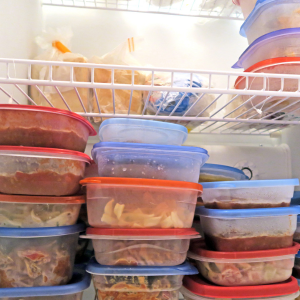
Freeze food in airtight bags or containers. Airtight containers prevent moisture from escaping and reduce odor transfer.
2. Keep it clean and organized
Periodically clean the interior of your freezer with a mixture of water and vinegar or baking soda. Vinegar or baking soda helps remove odors and maintain hygiene.
3. Use Odor Absorbers
Place an open box of baking soda or activated charcoal in the freezer. These help absorb odors effectively. Remember to change these every few months.
4. Limit freezing foods with Strong Odors
Avoid freezing strong-smelling foods such as certain seafoods unless you seal them properly. If you must, double-pack them to minimize odors.
5. Check Expiry Dates
Regularly review what’s in your freezer. Toss out items that are past their shelf life or show freezer burn.
6. Use Dry Ice for Longer Storage
For items you want to keep super fresh for a long time, dry ice works great.
7. Do Not Refreeze Thawed Food
If you thaw food, don’t refreeze it unless you cook it first. Refreezing can affect food quality and cause odors.
How can you clean ice buildup in your freezer?
Many factors can contribute to ice buildup in your freezer, such as:
- Moisture in the freezer: This occurs when warm, moist air enters the freezer through an open or improperly closed door. The air will condense and freeze.
- Fluctuating temperature settings: If the freezer temperature is set too low, it causes excessive frost. If the temperature is inconsistent, it might cause the air in the freezer to freeze.
- Blocked vents: If you unknowingly block the freezer vents with food, air circulation may be reduced, resulting in uneven temperatures that could cause ice to form.
- Faulty door seals: A worn or damaged door gasket can let in warm air, which may condense and turn into frost.
- Improperly packaging food: If you don’t seal the food in your freezer, it can release moisture, which can contribute to frost buildup.
Here’s a step-by-step guide to help you clean the ice buildup.
Supplies You’ll Need
- Old Towels or rags
- A cooler (optional)
- Scraper (plastic or wooden)
- Warm water (in a spray bottle if possible)
- Handheld steamer or blow dryer
- Baking soda (optional, for deodorizing)
- Gloves (optional)
Instructions
1. Unplug the Freezer
Unplug the freezer to prevent any electrical issues.
2 . Empty the Freezer
Remove all food items. Place any perishables in a cooler to keep them cold during the cleaning process.
3. Let the Ice Melt
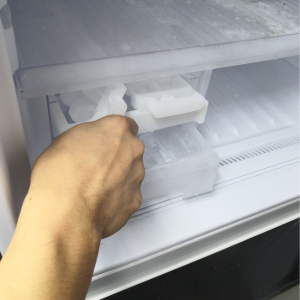
Allow the ice to melt naturally. You can speed this up by placing a bowl of warm water in the freezer, or by using a handheld steamer, heat gun, or hairdryer (on a low setting) to warm the ice and defrost it gently. Be careful not to use a metal object, as it can damage the interior.
4. Scrap Off Ice (If Needed)
If the ice is thick, gently use a plastic or wooden scraper to chip it off. Avoid using metallic tools, as they can damage the freezer.
5. Wipe Down the Interior
Once the ice has melted, wipe down the interior surfaces with warm, soapy water or a baking soda solution. This helps prevent odors and keeps the food fresh.
6. Rinse and Dry
Wipe with a clean, damp cloth to remove any soap residue and then dry thoroughly with a towel.
7. Plug It Back In
Once everything is dry, plug the freezer back in and let it reach the required temperature before restocking.
8. Restock and Organize
Once the freezer is back, set it to the required temperature, and carefully replace all food items. Organize them to ensure good airflow and prevent future ice buildup.
Tips to Prevent Future Ice Buildup
Check the Seal: Ensure the door seals tightly. If not, consider replacing the gasket.
Limit opening the door frequently: Try to minimize how often you open the freezer.
Keep it Clean: Regularly clean and inspect for spills or items blocking airflow.
Maintain a steady temperature setting: Keep your freezer temperature at the proper level, usually around 0°F or -18°C.
Create a cleaning routine for your freezer to keep it clean and well-organized. Doing so will enhance its efficiency and help preserve your food.
If you need help cleaning your freezer, we are here to help. Feel free to contact us to learn more.
You may also like: