Most kids hate cleaning, and so do some adults, because let us face it: cleaning is complex and quite time-consuming unless you make it fun and instill it as a habit from an early age. You will need to be patient and creative to make them love cleaning. Here are some helpful tips and fun ways to get kids to clean up.
1. Make It Fun
By turning cleaning into a game, you can transform a mundane task into an enjoyable activity. Use a timer to set a challenge for your children to clean up within a specific time. Play their favorite music, sing a fun cleanup song together, and make tidying up feel like a game rather than a chore. This approach not only makes the task more engaging but also instills a sense of accomplishment when they complete the challenge.
2. Set Small, Clear Goals and Expectations
Setting clear goals and communicating your expectations is key to involving kids in cleaning and organization.
Instead of overwhelming them with a vague, general instruction — like telling them to ‘Clean up their room in a day’ — break the chores into small, manageable tasks, like ‘Let us organize your toys first’ or ‘Let us clear off your desk.’ This approach not only makes the task less daunting but also helps them understand what is expected of them.
3. Involve Them in Decision-Making
Allow kids to decide where things should go. Involving them gives them a sense of ownership, builds confidence, and can foster a sense of self-worth and control. It allows them to decide how to care for their space and to take responsibility for their actions.
4. Provide Storage Solutions
Use bins, baskets, or shelves that are easy for kids to access. Label them with pictures or words to help them remember where things like toys, books, or shoes belong.
5. Teach Sorting Skills
Show them how to sort items into different categories. Have categories for items to: keep, donate, or toss. Make it a fun challenge to see how many items they decide to donate, toss, or keep.
6. Create a Reward System
Create a reward system that gives them points or tokens for picking up after themselves and cleaning their room. Rewards can range from extra playtime to small treats. Use stickers, points, or small rewards to encourage task completion. Rewarding them will motivate them to keep their space tidy.
7. Be a Role Model
Show them how you tidy up or organize your own space. Kids learn by example, so demonstrate good habits. Kids often imitate what they see, so make it a habit to clean up around them, and they will want to do the same.
8. Set a Routine and schedule
Establish a regular time for tidying up and schedule the activities to be done. Establish a specific time each day for cleanup. Kids thrive on routine, and having a designated time to do chores can make it feel like a regular part of their day.
9. Allow Personalization/ownership
Allow them to personalize or own their room. Let them add decorations, keep personal items, or arrange it however they like, but guide them. Personalizing their rooms can motivate children to keep them clean and organized.
10. Celebrate Achievements
Celebrate their efforts, no matter how small. Acknowledge their hard work and the difference it makes. Give compliments and show your appreciation for their help. For instance, thank them for cleaning or picking up after themselves.
11. Incorporate Learning Moments
Use this time to teach them to be responsible, to care for their belongings, and to value a clean space. If they complain about their cleaning task, help them brainstorm solutions, like organizing their stuff in sessions, between breaks, or creating a fun cleaning checklist that breaks the task down without causing overwhelm.
12. Be Flexible
Kids may not organize things the way you would. Don’t be a perfectionist; let them make mistakes and allow some creativity and flexibility into how they set up their space.
13. Break It Down
If the task seems overwhelming, break it down into smaller, manageable steps. For example, ask them to focus on just one area or task at a time, such as putting toys away from the floor, before introducing another chore.
14. Give Choices
Please give them the power to choose which task they want to tackle first. This sense of control can make them more willing to do the chores.
15. Allow Consequences
It is essential to let the children know that if they do not pick up their toys or clean their rooms, there will be consequences. For instance, they can be denied some privileges or have their favorite toys put away for a while to help them understand the importance of taking care of their belongings.
16. Use Visual Reminders
Place charts or visuals that remind them of their responsibilities. Kids often respond well to visual cues. For instance, you can have picture cards with pictures of activities to do, or use a magnetic board with activities or choices for them to choose from.

17. Be Patient and Consistent
Habits take time to develop, so be patient. Consistent reminders and practice will help them learn to pick up after themselves.
What are the benefits of getting Kids to clean up their room and pick up after themselves?
Encouraging kids to clean their rooms is beneficial for several reasons.
1. Inculcates Responsibility
Getting them to clean their room helps kids learn about personal responsibility. It teaches them that they are accountable for their space, belongings, and actions.
2. It teaches Organization Skills
Regular cleaning helps kids develop organizational skills. They learn how to categorize items, decide what to keep or discard, and maintain a neat environment. These skills will be helpful in the future; hence, it is essential to develop them early.
3. It creates a Sense of Accomplishment
Completing a cleaning task gives kids a sense of accomplishment. Most kids take pride in their work, which can help boost their confidence and build self-esteem.
4. It promotes Healthy Habits
Keeping a clean room promotes good hygiene. Decluttering and cleaning help reduce dust, allergens, and pests, creating a cleaner, healthier living space.
5. It improves Focus and Clarity
A tidy environment allows for better concentration. Clutter can be distracting, and a clean room can help kids focus on important tasks like homework or reading. It also makes it easy for kids to find what they need, thus saving them time they would spend searching for items in cluttered spaces.
6. Enhances Creativity and Play
An organized room can encourage creativity. When kids have easy access to their toys and books, they can engage in imaginative play more freely.
7. Instills Time Management skills
Cleaning teaches kids to manage their time. Setting aside regular intervals for tidying up helps them learn to prioritize tasks amid other responsibilities.
8. It encourages Teamwork and Family Values
If cleaning is a family activity, it fosters teamwork and collaboration. Working together can strengthen family bonds and instill values of cooperation.
9. Teaches necessary Life Skills
Being able to clean and organize their space is a valuable life skill. It prepares kids for adulthood, helping them maintain their own homes later in life.
10. Can Reduce Stress
A clean and organized environment can reduce stress and anxiety. Kids tend to feel more relaxed in a pleasant, tidy space than in a messy, cluttered home.
Fun ways to get kids to clean up
Making cleanup fun can turn a chore into an enjoyable activity. Here are some creative ideas to motivate kids to clean up.
1. Cleaning Dance Party
Play some upbeat music while they clean. Please encourage them to dance and sing along as they tidy up. A dance party can make the task more enjoyable and entertaining.
2. Set Cleanup Timers
Set a timer for a given task, such as 10 minutes, and challenge them to clean up before the time runs out. Add a fun reward for completing the challenge within the given time.
3. Do a Treasure Hunt
Turn a cleanup chore into a treasure hunt by hiding small rewards such as stickers, toys, and treats around the space. As they clean, they can find these hidden treasures and take them.
4. Make a Game out of It
Create a point system. Assign points for different tasks; for instance, give 1 point for putting away toys, 2 for organizing books, and 3 for making a bed. After accumulating a certain number of points, they can earn a reward.
5. Create Theme Days
Designate theme days, such as “Superhero Cleanup” or “Pirate Treasure Hunt,” where they dress up as these characters while cleaning.
6. Storytime Cleanup
Play an audiobook or read an exciting story while they clean. They may get lost in the story and forget they are doing chores.
7. Cleaning Relay Race
If there is more than one kid, create relay teams. Each child takes turns cleaning different areas. The first team to finish wins a fun prize.
8. Decorate Cleanup Supplies

Let them decorate their cleaning supplies (brooms, dusters) with stickers, flowers, paint, or colorful tape, making the tools more exciting to use.
9. Cleaning Bingo
Create Bingo cards filled with cleanup tasks. When they complete a task, they mark it off. A completed row can earn a prize.
10. Layered Responsibility
Break tasks into smaller, manageable parts. They can choose which area to start with, which makes the task feel less overwhelming and gives them a sense of control.
11. Pack a Picnic
Once they finish the cleanup, celebrate their achievement with a fun picnic in the cleaned-up area or outside the house. It gives them something to look forward to after tidying up.
12. Show their Visual Progress
Use a chart or sticker system to track their progress. Seeing their achievements can motivate them to do more and better.
13. Create ‘Cleanup’ Sprays
Mix water with a natural, non-toxic cleaner like hydrogen peroxide or alcohol, and add a few drops of their favorite essential oils, in spray bottles, to make homemade cleaners. They can use these sprays for cleaning, making it smell nice and feel special.
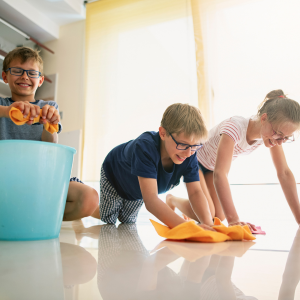
14. Make it a Collaborative Cleanup
Join them in the cleaning process. Make it a team effort, and share fun stories or jokes while tidying up together.
15. Do Countdown Cleanup
Incorporate a countdown (like “In 5…4…3…2…1…go!”) to initiate a fun, energetic cleaning challenge!
By fostering a positive, fun, and engaging atmosphere during cleaning, you can help your kids develop valuable skills and transform their space into a spotless haven.
Do you know of any other creative and fun ways to get kids to clean up? Please let us know in the comments section below.
You may also like :
12 Practical Tips and Ideas to Help Organize Kids’ Rooms Effectively